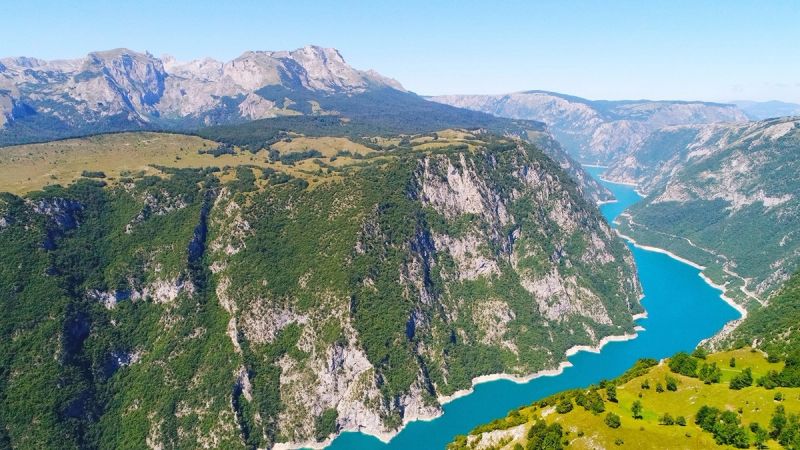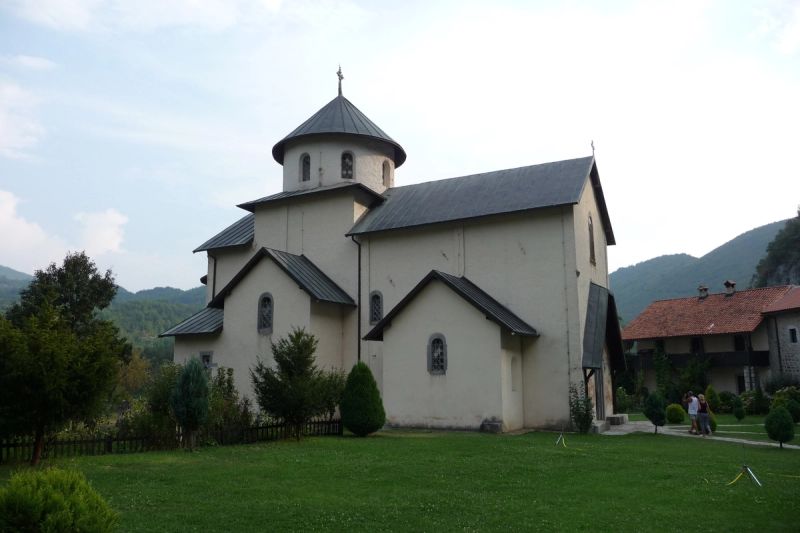
If the Bay of Kotor is the "face" of Montenegro, Durmitor is its spine.
Located in the Dinaric Alps, Durmitor National Park is not a destination for the passive observer.
It is a theater of geological violence, glacial hydrology, and vertical conquest. It demands respect, preparation, and the right gear.
In 2025, Durmitor has evolved. It is no longer just a remote outpost for Balkan mountaineers; it is a world-class arena for high-performance adventure. But with this popularity comes complexity.
Which route up Bobotov Kuk avoids the crowds? Is the Tara River rafting actually dangerous or just a tourist ride?
How do you drive the "Durmitor Ring" without destroying your rental car?
This is not a listicle. This is a technical audit of the park, based on the latest geophysical data and logistical pricing for the 2025 season.
We will dissect the 5 Strategic Reasons to visit, providing you with the intel you need to execute a safe and spectacular expedition.
1. Alpine Supremacy: The "Summit" Conquest
The first imperative reason to visit Durmitor is its unique orographic configuration.
Unlike the rolling hills of Western Europe, the Dinaric Alps here present an aggressive vertical density.
The park contains 48 peaks surpassing 2,000 meters.
For the serious hiker, the choice comes down to two titans: Bobotov Kuk (The King) and Prutaš (The Beauty).
1.1. Bobotov Kuk (2,523m): The Apex of Karst
Bobotov Kuk is the highest point in the limestone massif.
It is the physical and psychological barometer for mountaineers in the region. The mountain is composed of heavily eroded sedimentary limestone, creating vertical walls and debris fields (talus) that define the ascent.
Strategic Route Selection: Sedlo vs. Žabljak
Choosing where to start is your most critical logistical decision. It dictates your metabolic effort and risk exposure.
Parameter
Sedlo Pass Route (Southern Approach)
Žabljak Route (Northern Approach)
Starting Altitude
1,907 m
~1,450 m
Elevation Gain
~620 m (net) / ~900m (cumulative)
>1,100 m
Duration (Round Trip)
5 - 6 Hours
8 - 12 Hours
Terrain Profile
Alpine pastures, then technical rock
Dense forest, long valleys, steep climb
Traffic Density
High (Preferred Route)
Low (Endurance Route)
Cost
€5.00 (Park Fee collected at trailhead)
€5.00 (Park Fee)
Marko’s Recommendation: Take the Sedlo Route.
Starting at nearly 2,000 meters allows you to bypass the long, viewless forest approach.
You are immediately thrust into the dramatic alpine zone. The trail begins deceptively gently, winding past green hills before reaching Zeleni Vir, an emerald glacial pool that often dries up by late August.
The Final Sector: The "Via Ferrata"
The last 30 to 45 minutes of the climb are serious. Regardless of your starting point, all routes converge here.
This sector is characterized by severe exposure to vertical drops.
The Cables: The park administration has installed fixed metal cables to assist with stability. This is essentially a rudimentary "via ferrata".
Risk Assessment: If you suffer from vertigo or lack experience in scrambling (using hands to climb), you must reconsider this final stage.
The Rockfall Danger: In July and August, the cables get congested. The biggest risk isn't you falling; it's a hiker above you dislodging loose limestone rocks. I strongly recommend wearing a climbing helmet, even though they are rarely rented locally.
1.2. Prutaš (2,393m): The Aesthetic Alternative
If Bobotov Kuk is about the glory of altitude, Prutaš is about geological beauty.
The name "Prutaš" refers to the "rods" or vertical stratifications of sedimentary rock that form the mountain's face, creating a visual curtain unique in Europe.
Why Choose Prutaš?
- Safety: The ascent is less technical than Bobotov Kuk. It lacks the terrifying exposed cable sections, making it ideal for fit hikers who want world-class views without the terror.
- The View: It offers arguably the best panorama in the park, looking directly at the Soa Nebeska wall and the glacial lakes of the Škrčka valley.
- Efficiency: You can reach the summit in 1.5 to 2 hours from the P14 road, with a far better effort-to-reward ratio.
2. Hydrological Phenomena: The "Mountain Eyes"
The second reason to visit is the park's glacial hydrology.
Durmitor is home to 18 glacial lakes, poetically known as Gorske Oči ("Mountain Eyes").
These are dynamic systems that respond to snowmelt and underground karst drainage.
2.1. Crno Jezero (Black Lake): The Ecological Core
Located just 3 km from Žabljak town center, this is the primary entry point for most visitors.
The daily entry fee is €5.00.
The Bifurcated Dynamics:
Technically, Black Lake is two distinct bodies of water: the Big Lake (Veliko jezero) and the Small Lake (Malo jezero), connected by a narrow channel.
- Summer: Evaporation often dries the channel, separating the lakes.
- Spring Phenomenon: Snowmelt from Međed peak creates the Čeline waterfall, which pours into the Small Lake with such volume that it paradoxically flows into the Big Lake, reversing the usual dynamic.
The Water Sports Price List (2025 Estimates):
The park manages these rentals to prevent price gouging.
- Kayaks: €4.00/hour (Single) | €6.00/hour (Double). This is the best way to reach the secluded forest banks.
- Rowboats: €10.00/hour. Stable and classic.
- Swimming: Yes, you can swim. In July and August, the water temperature reaches a refreshing 22°C.
2.2. Zminje Jezero (Snake Lake): The Secret Sanctuary
If Black Lake is the "Times Square" of Durmitor, Snake Lake is its library.
Hidden deep in the spruce forest, this lake is smaller but ecologically significant due to its deep green color and absolute silence.
- The Hike: It’s a moderate walk past old watermills.
- Commercial Status: Zero. There are no cafes, no boats, and no noise. It is pure nature.
3. The Tara Abyss: The Canyon Adventure Triad
The third pillar is "Adrenaline," anchored by the Tara River Canyon.
At 1,300 meters deep, it is the deepest gorge in Europe and a UNESCO World Heritage site.
3.1. Rafting: Seasonality is Everything
Rafting here is not a monolithic experience; the intensity depends entirely on when you go.
The Seasonal Intensity Chart:
- May - June (High Adrenaline): Spring thaw raises the river level, creating Class IV+ rapids. The water is dangerously cold (8-10°C), requiring thick 5mm+ wetsuits. This is for purists.
- July - September (Family Tourism): The flow drops drastically. The river becomes a scenic Class II-III experience. Rapids become fun "bumps" rather than technical challenges. Safe for cameras and swimming.
Cost Analysis (2025):
- Daily Package: €45 - €60 per person. Includes gear, licensed guide, river taxes, and a traditional lunch.
- Multi-Day Expeditions: €150 - €260. These 2-3 day trips cover 60-80km of the river, penetrating the most remote sections where day-trippers never go.
3.2. Zipline Engineering: The Djurdjevica Bridge
The Djurdjevica Tara Bridge serves as the platform for one of Europe's densest concentrations of ziplines.
Choose Your Flight:
- Red Rock Zipline (Entry Level): ~350m long, 45 seconds flight. Cost: €20-€25. Good for views without extreme fear.
- The "Extreme" / Big Wire: Over 1km long, reaching speeds of 100 km/h+. You fly in a horizontal "Superman" harness. Cost: €45-€70. This offers an aerial perspective of the bridge that no drone can replicate.
3.3. Canyoning Nevidio: The "Unseen"
While Tara is vast, Nevidio Canyon is claustrophobic.
Located 1 hour from Žabljak, this gorge narrows to less than one meter in places.
- The Activity: It is a physical expedition of jumping down waterfalls, swimming in narrow corridors, and rappelling.
- The Cost: €100 - €130. It is the most exclusive activity, requiring specialized guides due to flash flood risks.
4. Scenic Connectivity: The "Durmitor Ring" Road Trip
The fourth reason to visit transcends hiking; it is the Durmitor Ring (Durmitorski Prsten).
This 85km loop is a masterpiece of mountain road engineering.
4.1. The P14 Road: Asphalt in the Sky
The critical segment is the P14 road, connecting Žabljak to Plužine.
It winds through the plateau, touching altitudes of 1,900 meters at Sedlo Pass.
Warning: Driving Dynamics:
- Geometry: Paved but extremely narrow (often single-lane width). No shoulders. No guardrails in many vertical sections. You must be comfortable reversing your car to let oncoming traffic pass.
- Vehicle Restrictions: Do NOT bring a large RV (Campervan). Vehicles over 7 meters long or 2.3 meters wide will get stuck on the hairpins. A VW California is the practical limit.
- Seasonality: Due to altitude, P14 is blocked by snow from November until late May. Do not attempt this route outside the summer window.
4.2. Cultural Waypoints
The Ring works as an open-air museum.
- Sušica Canyon: The road dives steeply into this canyon, where a seasonal lake appears and disappears.
- The Katuns: In villages like Trsa and Pišče, look for Katuns—traditional shepherd huts. Many operate as informal stops selling local cheese, honey, and rakija (fruit brandy). Buying here supports the local agrarian economy directly.
- Digital Aid: Download the izi.TRAVEL app for a free audio guide that uses geolocation to narrate the geology as you drive.
5. The Logistics Ecosystem: Food, Sleep, and Budget
The final pillar is the cultural and economic viability of the trip.
Durmitor offers an authentic alpine experience at a fraction of the cost of the Swiss Alps.
5.1. Accommodation: The A-Frame Revolution
Žabljak has transformed. The communist-era state hotels have given way to a vibrant ecosystem of private chalets.
- Full Service: Hotel Soa (4-star) offers spas and gourmet dining near Black Lake. The safe choice.
- The Trend: A-Frame Cabins. Look for listings like "North Story" or "Villa Wood Borje". These triangular cabins offer isolation, full kitchens, and wood-fired heating. They are often cheaper per capita for groups than hotels.
5.2. High-Energy Gastronomy
Local food is fuel for the mountains.
- Kačamak: The emblem of the region. A dense mash of potato and corn flour, fused with copious amounts of kajmak (aged cream cheese). It is a "calorie bomb" designed to sustain shepherds for days. Try it at Konoba Luna.
- Lamb "Ispod Sača": Slow-cooked meat under an iron bell covered in coals. The meat falls off the bone. Best tried at Restaurante Izvor.
5.3. 2025 Budget Strategy
- The Golden Rule: Buy the Annual Pass. The daily entry is €5.00. The Annual Pass is €13.50. It covers Durmitor, Skadar Lake, Biogradska Gora, Lovćen, and Prokletije. If you stay more than 2 days, it pays for itself.
- Cash is King: Carry Euros. Terminals do not exist at trailheads or remote parking lots (€2-3 fee).
6. Summary: The 2025 Adventure Matrix
To summarize, here is your cheat sheet for planning activities based on cost and difficulty.
Activity
Estimated Cost (2025)
Difficulty Level
Best Month
Logistics Note
National Park Entry
€5.00/day or €13.50/year
N/A
All Year
Buy the Annual Pass.
Rafting Tara (1 Day)
€45.00 - €60.00
Variable (Class II-IV)
May (Extreme) / Aug (Fun)
Includes lunch & gear. Transport extra.
Zipline (Tara Bridge)
€20.00 - €70.00
Low (Accessible)
May - Oct
Price varies by length/speed.
Hike Bobotov Kuk
Free (w/ entry)
High (Physical/Tech)
July - Sept
Start before 8 AM to avoid storms.
Kayak Rental (Lake)
€4.00 - €10.00/hr
Low
June - Sept
Prices fixed by park admin.
Final Words from Marko:
Durmitor is one of the last bastions of accessible wilderness in Europe. It rewards the prepared.
Get the right boots, rent the small car, buy the annual pass, and I will see you on the summit.