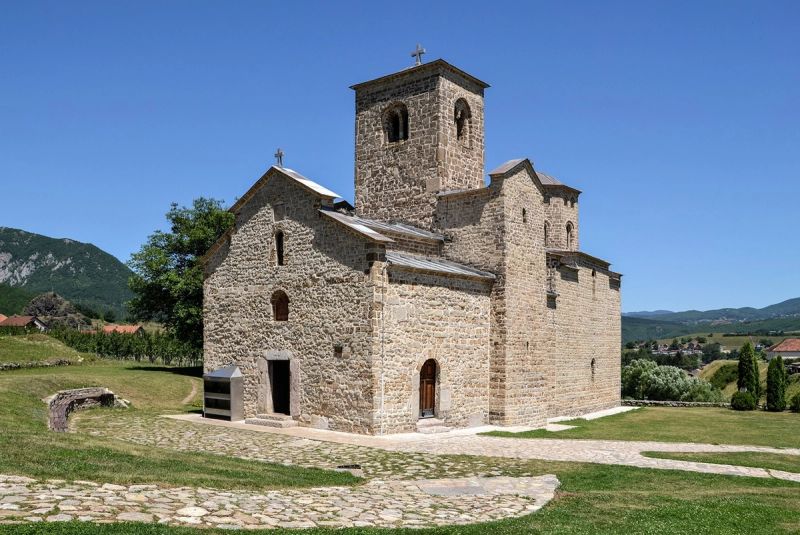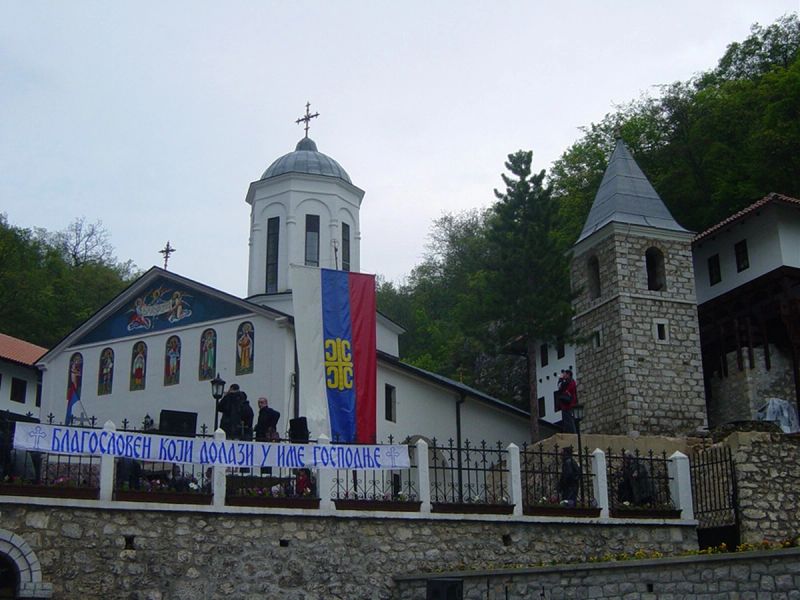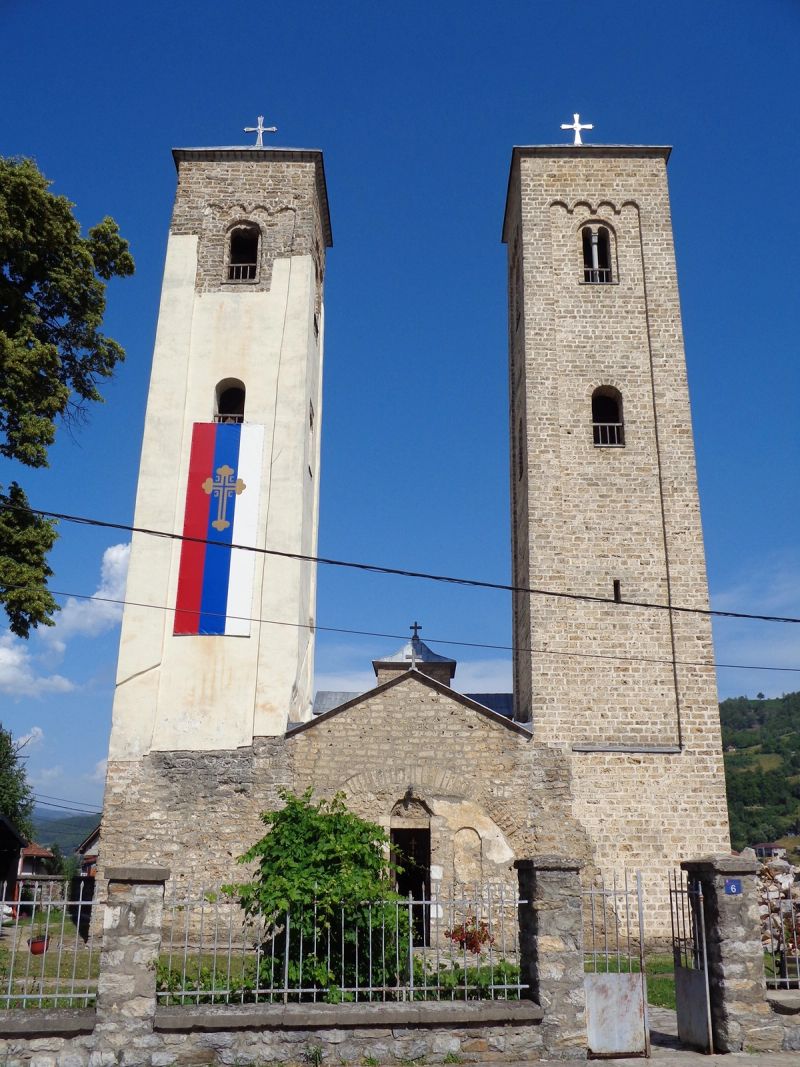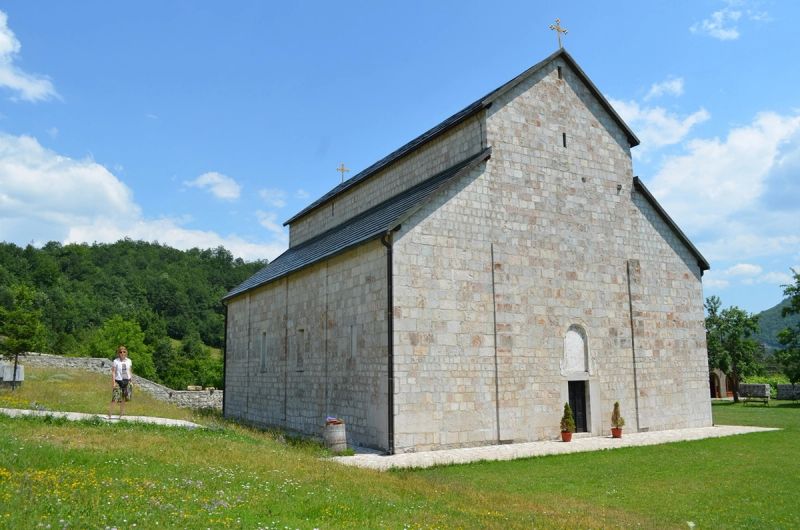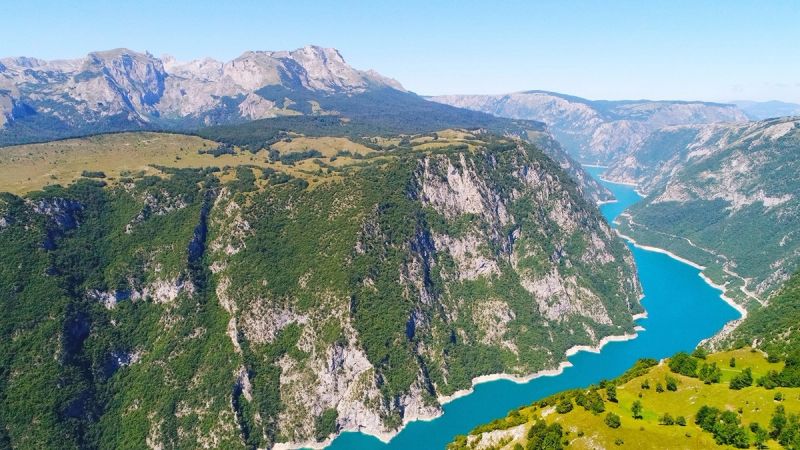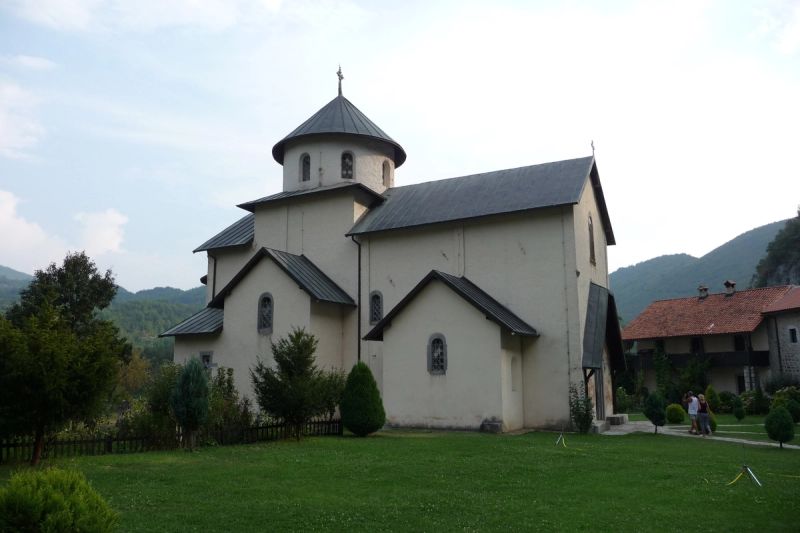
In the saturated landscape of contemporary European tourism, finding a genuine "hidden gem" feels like an impossible task. We have all seen the photos: the crush of bodies in Venice, the towel wars on Greek beaches, and the skyrocketing prices in Dubrovnik. But nestled in the Balkans lies an anomaly.
Montenegro is frequently categorized in marketing brochures as a "hidden gem". But that term simplifies a complex reality. This is a country at a precise tipping point: sophisticated enough to offer 5-star amenities and direct flights from London and Paris, yet still wild enough to possess vast stretches of primeval forest where bears still roam.
I have dissected the data, the costs, and the geography. This is not just a travel blog post; this is the definitive analysis of why traveling to Montenegro is your smartest travel decision for 2026—and why the window to see its "wild beauty" is closing fast.
1. The Economic Reality: Why Your Wallet Needs Montenegro
Let’s talk about the elephant in the room: Value for Money.
In the post-2024 landscape, the European traveler is driven by a search for value. While tourism has recovered, inflation means we are all looking to optimize our spend.
For two decades, Croatia was the affordable alternative to Italy. That era is over. Since adopting the Euro and facing massive hospitality inflation, Croatia has become expensive.
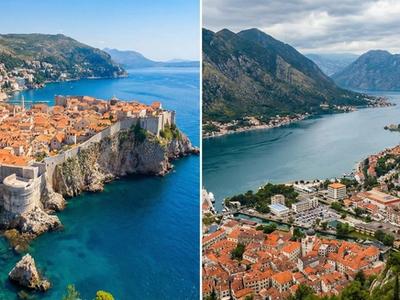
The "Pizza Index": In Croatian hotspots like Hvar or Dubrovnik, a pizza now costs between €17 and €24, with fish dishes reaching €52.
The Cost of Culture: A simple walk along the Dubrovnik walls now costs €40 per person—a price many families find prohibitive.
The Montenegro Advantage
Cross the border at Debeli Brijeg, and the economic landscape shifts immediately. Montenegro is no longer the "bargain basement" of the early 2000s, but it occupies a strategic "Mid-to-High-End" sweet spot.
- Dining: You can enjoy a full meal in a mid-range restaurant for €10–€25, essentially 50% less than its northern neighbor. See our list of partner restaurants.
- Coffee: The daily ritual of an espresso by the sea costs between €1.20 and €2.50.
- Accommodation: A 4-star hotel night ranges from €100–€200, compared to €200–€350+ for equivalent quality in Croatia.
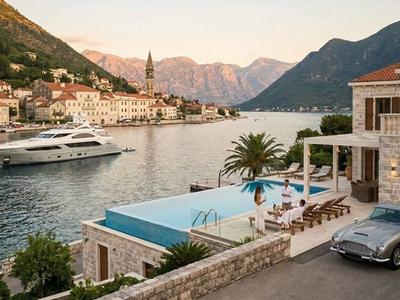
Marko's Insight: It’s about "Smart Luxury." You aren't just saving money; you are upgrading your experience. The budget that gets you a small room in Split gets you a sea-view suite and a private boat tour in Kotor. Read our full breakdown on Montenegro vs Croatia.
2. The Coast: Busting the "Fjord" Myth and Finding Silence
Every travel guide calls the Bay of Kotor "Europe's Southernmost Fjord."
Stop saying that.
Geologically, it is not a fjord. It is a Ria—a submerged river canyon formed when tectonic plates shifted and the Adriatic Sea rushed into an ancient river valley.
Why does this matter to you? Because fjords (like in Norway) have bare, scraped rock faces. A Ria, like Kotor, has lush, green slopes covered in cypress and oak trees. It creates a softer, more "Mediterranean" contrast against the gray limestone of the Dinaric Alps.
Navigating the Bay: A Tale of Two Cities
Kotor (The Fortress): Yes, it is a UNESCO site, and yes, it gets busy with cruise ships. The secret? Wait until 5:00 PM when the ships leave. The city transforms.
And instead of paying €15–€20 to hike the walls, find the "Ladder of Kotor". It’s an old mule trail outside the walls. It’s free, it’s quiet, and it passes a tiny local cheese shop run by a family that has lived there for generations. For a traditional view, try the Fortress of Saint John.
Perast (The Baroque Sentinel): Just a few kilometers away lies Perast. It feels frozen in the 17th century. It faces the Verige Strait, the narrowest part of the bay.
You must take a boat to Our Lady of the Rocks (Gospa od Škrpjela). It is the only artificial island in the Adriatic, built rock-by-rock by sailors returning from successful voyages over hundreds of years.
Budva vs. Ulcinj: Choose Your Vibe
Moving south, the coast changes personality.
Budva: Known as the "Miami of Montenegro." High-rises, vibrant nightlife, and crowded beaches. It attracts the mass market. If you want a party, go here. If you want peace, skip it—or head to the Budva Old Town on the peninsula or visit the exclusive Sveti Stefan.
Ulcinj: This is the frontier. Bordering Albania, the culture shifts from Venetian to Ottoman. Minarets replace bell towers. The vibe is Eastern, bohemian, and significantly cheaper.
Ada Bojana: For the ultimate escape, go to this triangular island formed by a river delta near the Long Beach (Velika Plaza). Famous for its nudist resort and kitesurfing, you sleep in wooden bungalows (stilt houses) over the water. The sunsets here are legendary.
3. The North: The True "Hidden Gem"
If the coast is the face of Montenegro, the North is its soul.
While the coast faces overtourism in July and August, the North remains one of Europe's last great wildernesses.
Durmitor National Park & The Scenic Drive
For those who love the journey, the Durmitor Ring is mandatory.
But the crown jewel is the Sedlo Pass (Route P14).
The Drive: Connecting Zabljak to Pluzine, this road climbs to 1,907 meters. It is narrow, winding, and cuts through a lunar landscape of jagged peaks like Bobotov Kuk. It is arguably the most spectacular drive in the Balkans.
The Activity: Don't just drive. Stop for Rafting on the Tara River, which flows through the deepest canyon in Europe (second only to the Grand Canyon). It’s a bucket-list experience for about €58 per person.
Prokletije: The Accursed Mountains
For the traveler who hates crowds, this is your sanctuary. Located on the Albanian/Kosovo border near Plav and Gusinje, this range is wild and brutal.
Insider Tip: Hike to Hrid Lake (Hridsko Jezero). At nearly 2,000 meters, it is a crystal-clear "mountain eye" surrounded by pine forests. Legend says bathing here brings health and luck. You will likely be the only person there.
Biogradska Gora
Located near Kolasin, this park protects one of the last three primeval rainforests in Europe. The trees here are centuries old, creating a dense, humid canopy that feels prehistoric compared to the open limestone of the coast.
4. Cultural Anthropology: The Art of Living (and Being Lazy)
Montenegrin culture is famous for its humor, specifically regarding work.
You might see souvenirs listing the "10 Commandments of Laziness".
While funny, they reflect a deep philosophy known as Fjaka (similar to Italian dolce far niente)—a psychophysical state of aspiring to nothingness.
The 10 Commandments (Live by these in 2026):
- Man is born tired and lives to rest.
- Love your bed as you love yourself.
- Rest during the day, so you can sleep at night.
- Do not work. Work kills.
- If you see someone resting, help him.
- Work as little as you can and pass all work to another.
- There is salvation in the shade. No one died from resting.
- Work causes disease. Do not die young.
- If you feel the urge to work, sit down, wait, and you will see it passes.
- If you see people eating and drinking, approach them. If you see them working, withdraw.
To truly experience this, you must stay in a Katun. These are seasonal mountain shepherd huts. Today, they are the forefront of sustainable tourism. You sleep in wooden cabins, eat farm-to-table food like Kačamak (a calorie-dense dish of cornmeal, potatoes, and cheese), and disconnect from the modern world.
5. Practical Logistics for 2026
The "Secret" is being polished. Infrastructure is improving rapidly.
Getting Here: The classic route was flying to Dubrovnik (Croatia) and driving south.
Warning: Border crossings in summer can now take 2-3 hours.
The Better Option: British Airways has launched flights to Tivat (TIV) for 2026, and other carriers are increasing routes to Podgorica (PGD).
Slow Travel: Consider the train from Belgrade to Bar. It is one of the most scenic railway routes in Europe, crossing 435 bridges and 254 tunnels. It takes 10-12 hours but offers views you cannot get by car. Learn more about transportation in Montenegro.
Infrastructure Boom: Luxury is arriving. The Hyatt Regency Kotor Bay is open, and new properties like the Mövenpick in Risan are scheduled for 2026/2026. This confirms Montenegro is pivoting from mass tourism to "Affordable Luxury."
6. Suggested Itineraries
Don't try to do it all in a weekend. Here is how to structure your trip based on your profile:
The "Sea & Summit" (7 Days): Start in Kotor (3 days), drive the Serpentinite Road to Cetinje (Old Royal Capital), then head North to Durmitor for hiking (3 days). Finish with a night in Podgorica. Check out our full 7-day itinerary.
The "Off-Season" Secret: Visit in May or October (Shoulder Season). Accommodation prices drop by up to 50%, the waterfalls are full, and the locals have time to actually talk to you. Read about the best time to visit Montenegro.
Conclusion: Go Now.
Montenegro in 2026 is a rare find. It is an "interim" moment in history. The prices are fair, the nature is wild, and the "Fjaka" is real.
But with major hotel chains and new flight routes, the veil is lifting. The "best-kept secret" is shining brighter, and the world is starting to notice.
Don't wait until it becomes the next Croatia. Book your ticket, respect the commandments of laziness, and discover the wild beauty of the Balkans.