The Garden City where fortresses frame the sea
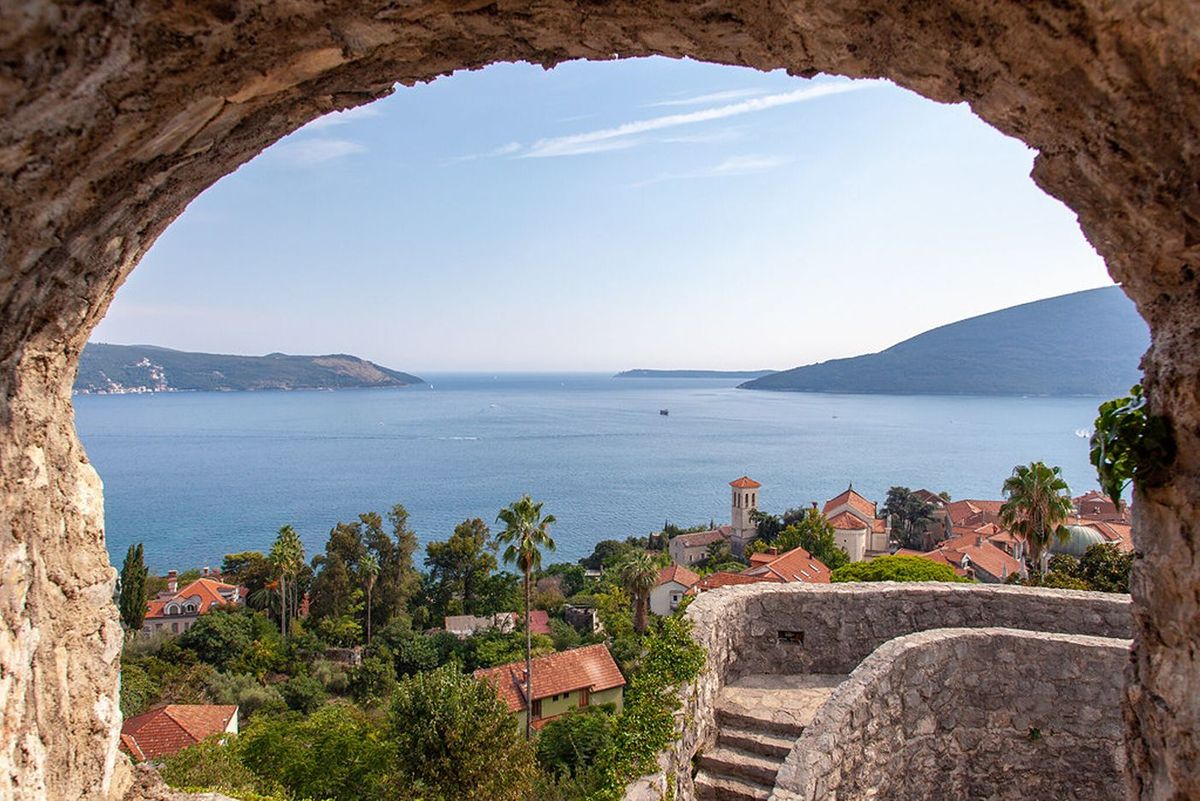
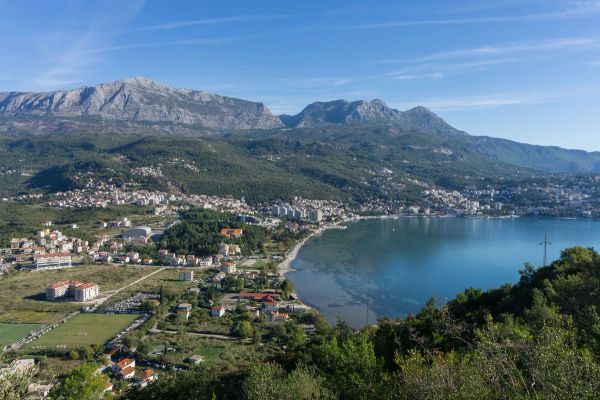
At the Bay of Kotor’s gateway, Herceg Novi unfolds like a living tapestry of history and green vitality. Founded in 1382 by the Bosnian King Tvrtko I, this "Garden City" was born from strategic needs and trade. Built on a hillside, its labyrinth of staircases guides you through lush promenades, past stone houses, and atop medieval ramparts.
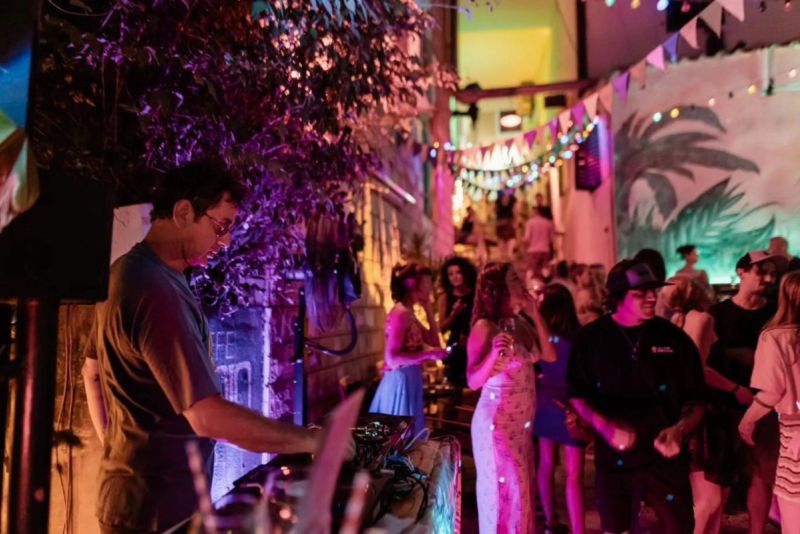
Each fortress tells a different chapter—from Kanli Kula’s echoes of Ottoman prisons to Forte Mare’s Venetian grandeur. The city’s narrow streets lead to church courtyards scented with jasmine, and every viewpoint offers vistas of shimmering waters cradled by dramatic mountains. Whether wandering through gardens, catching a sunset from the ramparts, or joining a local festival in the old town, you’ll feel Herceg Novi is more than a town—it’s a story written atop the sea.
Expanded Tourist Information
Key Attractions with Context & Storytelling
- Španjola Fortress (Tvrđava Španjola) Perched at the hilltop, this defensive stronghold (circa 15th century) offers sweeping 360° views—an open-air book of sea and sky.
- Kanli Kula Fortress ("Bloody Tower") Built in 1539 by the Ottomans and later modified under Venetian rule, its name comes from its use as a prison, complete with inmates’ drawings etched into the walls. Today, it echoes with applause as a dramatic open-air amphitheater hosting festivals and performances.
- Forte Mare (Sea Fortress) Heralding from the town’s founding, this fortress has been reimagined through centuries—as defense, as Venetian art, and now, as an open-air cinema sharing stories under the stars.
- Stari Grad & Herceg Stjepan Square (Belavista) The Old Town heart, marked by the Clock Tower and the Church of St. Michael the Archangel—an architectural blend of Byzantine, Gothic, and Baroque styles inviting quiet exploration.
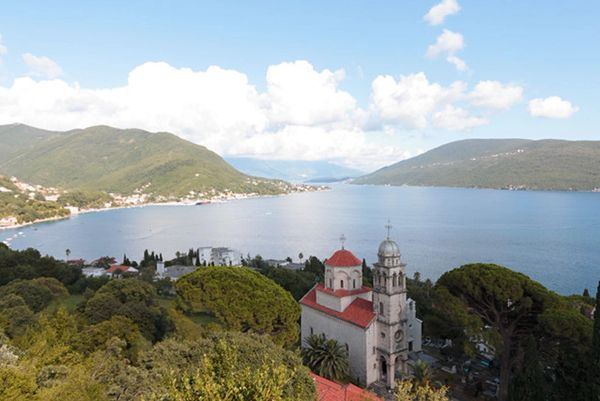
- Savina Monastery Nestled amidst olive groves, this 17th-century Orthodox sanctuary offers serene gardens and contemplative bay views.
- Žanjice Beach A hidden cove with white pebbles and crystalline waters—the perfect antidote to historic wandering.
- Botanical Garden & Coastal Strolls Lace-lined promenades and a botanical garden bursting with Mediterranean flora—gentle companions to rest between fortress climbs.
Best Time to Visit
- Spring (March–May) Nature awakens with blooming flowers, including stars of the Mimosa Festival in February, ideal for walking and cultural immersion.
- Summer (June–August) Heat, festivals, and vibrant beaches define high season—perfect for boat trips and celebrations, but expect crowds and higher prices.
- Autumn (September–October) Lower temperatures and fewer tourists create a peaceful backdrop—autumn festivals, wine events, and beautiful coastal hikes await.
- Winter (November–February) Quiet streets and cozy winters—especially during festive Carnival and Mimosa celebrations—offer a unique, contemplative charm.
How to Get There & Around
- By Air via
Dubrovnik Airport (DBV) The closest international gateway (32 km away). Options include:
Bus: Around 45 minutes, approx. HRK 45–70.
Private Taxi/Minivan: Around €50–112 depending on vehicle—30–60 minutes, scenic coastal drive.
Bus + Local Transfer: First reach Dubrovnik’s Gruž station (€5.50), then board a bus to Herceg Novi (€11.50–14.50).
By Road Driving from Dubrovnik involves border crossing at Debeli Brijeg or Kobila and following the picturesque Adriatic highway. Rental cars are convenient but note cross-border fees and local driving styles